Latest Posts

Scam Alert: Scammers Impersonating the Strand Bookstore

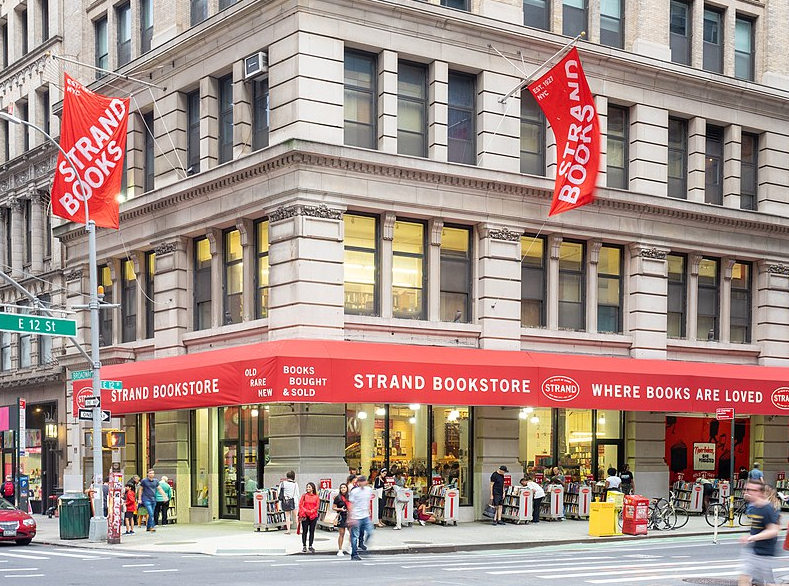
Header image: photograph of Strand Bookstore in New York City (copyright info below image)

Impersonation is an increasingly common tactic employed by the Philippines-based scams that have been taking up so much space on this blog for the past few years.

Impersonating literary agents. Impersonating publishers. Impersonating film producers, directors, and production companies. Impersonation scams extort anywhere from hundreds to tens of thousands of dollars from unwary writers, and damage the reputations of the individuals and companies whose names they falsely use.

A new impersonation scam doing the rounds appropriates the name of a famous bookseller: the Strand Bookstore in New York City.

Findaway Voices, Machine Learning, and the New Rights Frontier

Header image: Findaway Voices logo

Audiobook creation service Findaway Voices has become a popular alternative to Audible's ACX, especially in the wake of #Audiblegate (the controversy over ACX's author-penalizing returns policies that has generated at least one lawsuit).

In the past few days, though, authors and narrators have been drawing attention to this paragraph from Findaway's Digital Distribution Agreement, which grants Apple--a third party--a license to use the rights holder's audiobook files for "machine learning", aka AI training:

This paragraph doesn't appear to be a new addition: I've seen an agreement from September 2022 that includes it. But I can't find anything to indicate when it may have been incorporated, or any discussion of it prior to a few days ago. (UPDATE: In the comments and also on social media, people are confirming that the paragraph was part of the agreement as far back as 2019.)

Peak Fake: United Writers Organization and the Perpetual Eagle Awards

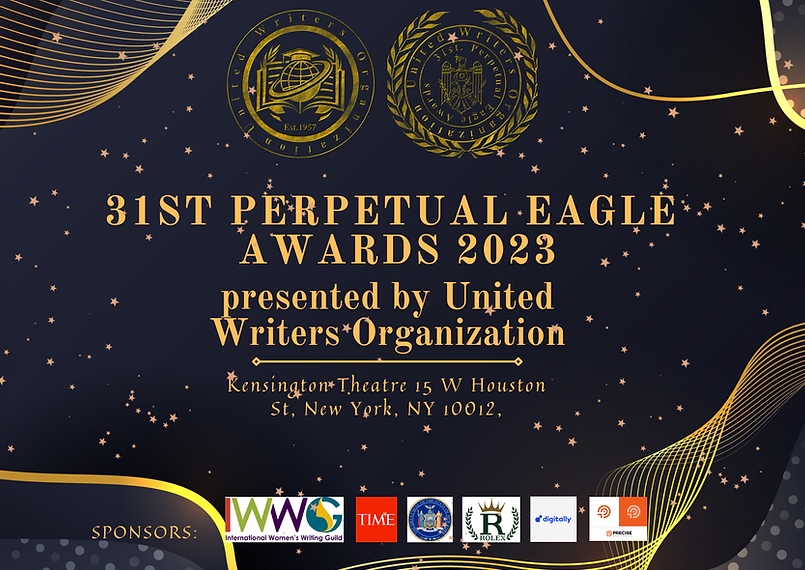
Logo and promotional image for the 31st Perpetual Eagle Awards supposedly presented by the United Writers Organization

There's a new solicitation doing the rounds. It's from United Writers Organization, which describes itself as a "leading professional organization" for writers and publishers, and it delivers exciting news: you've been nominated for an award! A "complimentary nomination certificate" is yours for the asking--you don't even have to pay! Although of course it would be nice if you became a UWO member, which will cost you a mere $99.

Of course this is a scam--the out of the blue solicitation is a big clue, as are the language and grammar mistakes and telltale info from UWO's domain registration--just 7 days old as of this writing, somewhat contradicting "Est. 1957" in the UWO logo.

Plus you'd think that a "largest and leading" writers' organization would have a bit more name recognition--or at least that a Google search would turn up more than a single page of results. As for that prestigious awards program, supposedly in existence for 31 years, Google has nary a listing.

Update: Author Complaints at Adelaide Books

Adelaide Books logo

In early 2021, as part of a post about several troubled small presses, I wrote about mounting problems at New York-based Adelaide Books, as evidenced by an increasing number of author complaints about delays, poor editing, terrible communication on the part of Adelaide's owner, Stevan Nikolic, and lagging royalty payments.

Also problematic: Adelaide's extra-contractual demand for a book purchase as a condition of publication, royalties paid on net profit, and a seriously overstuffed publishing schedule that even a large house with a big staff (neither of which describes Adelaide) might have trouble managing.

The problems at Adelaide have only expanded since, leading to a Watchdog warning from the Alliance of Independent Authors and the establishment of an Adelaide authors' group on Facebook where authors have been sharing their experiences, including their largely fruitless efforts to get Nikolic to respond to questions about delays and mistakes, queries about royalties, requests for rights reversion, and more. Most recently, Adelaide authors have been enraged to discover that Nikolic and his wife (for whom Adelaide Books is named) are living not in the US, as they believed, but in Portugal, where they run a large and well-stocked bookstore that was the subject of several glowing news articles in 2022 (the articles, which describe Adelaide Books as having "expanded" to Lisbon, do not mention any of the publisher's difficulties).
Bad Contract Alert: Webnovel

Post header: Webnovel logo

A bit over two years ago, I wrote about two companies, A&D Entertainment and EMP Entertainment, that appeared to have been deputized by serialized fiction app Webnovel (one of the biggest players in the serialized fiction space) to recruit authors to non-exclusive contracts. The contracts from both companies were (and continue to be) absolutely terrible.

EMP Entertainment no longer appears to be active (it has no website and I've heard nothing about it since 2020), but A&D is still going strong, and over the past two years I've been contacted by a lot of (mostly very young and inexperienced) writers who are confused about its complicated English-language contract, or have changed their minds after signing up and want to know how to get free (as with the contracts of so many serialized fiction apps, there's no option for the author to terminate).

A&D recruits via a bait and switch. Writers are solicited by an editor or Author Liaison who claims to have discovered the writer's work on Amazon or elsewhere, and invites them to publish on the Webnovel platform (the bait).

Copyright Claims Board: Mid-January Update

The Copyright Claims Board, the new tribunal for small copyright claims in the Copyright Office, started accepting claims last June 16. As of January 11, there have been 281 claims filed (plus seven so far in 2023.)  Of those filed, there have been 145 orders from the Board dismissing the claim, 84 amended claims, and 16 opt-outs.

Significantly, there have only been eleven Scheduling Orders – cases declared active by the Board - most within the last month. This is the first step in a case after the claimant has successfully jumped through all the hoops necessary to follow the Board’s procedures (including paying the full $100 fee.) The order schedules a timetable for the next steps, starting with the respondent’s response to the claim.

Things move slowly at the Copyright Clearance Board, but that’s actually the way it was designed. Both claimants and respondents have plenty of time to act, and, at least theoretically, everyone should have enough time to take the actions that are required of them in the process.