Latest Posts

Contract Controversy (and Change) at Must Read Magazines

Header image: fountain pen on a sepia background above the words "Publishing Contract" (credit: alexskopje / Shutterstock.com)

In a surprise move this past February, a new group called Must Read Magazines acquired five well-known genre magazines: Asimov's Science FictionAnalog Science Fiction and FactThe Magazine of Fantasy & Science Fiction, Alfred Hitchcock's Mystery Magazine and Ellery Queen's Mystery Magazine.

With the exception of Fantasy & Science Fiction, which was owned by Gordon Van Gelder, the magazines previously belonged to Penny Publications (which retains its large stable of puzzle and crossword magazines). The magazines' existing staffers have been retained by the new owner, and the magazines will continue to publish in print.

Per reporting in Locus Magazine, Must Read "is financially backed by a small group of genre fiction fans" headed by Steven Salpeter, formerly a literary agent at Curtis Brown. The magazines' new mastheads describe Must Read Magazines as a division of Must Read Books Publishing, which in turn is a division of 1 Paragraph Inc., a company incorporated in Delaware in May 2024 and registered in Florida in January 2025. Nearly five months after the acquisition, Must Read Books's website is still a placeholder, with a generic URL (bookpublishing.center) and a Norfolk VA address.
When an Interview Isn’t Exactly What It Seems: NewYox Media and Its Suite of Magazines

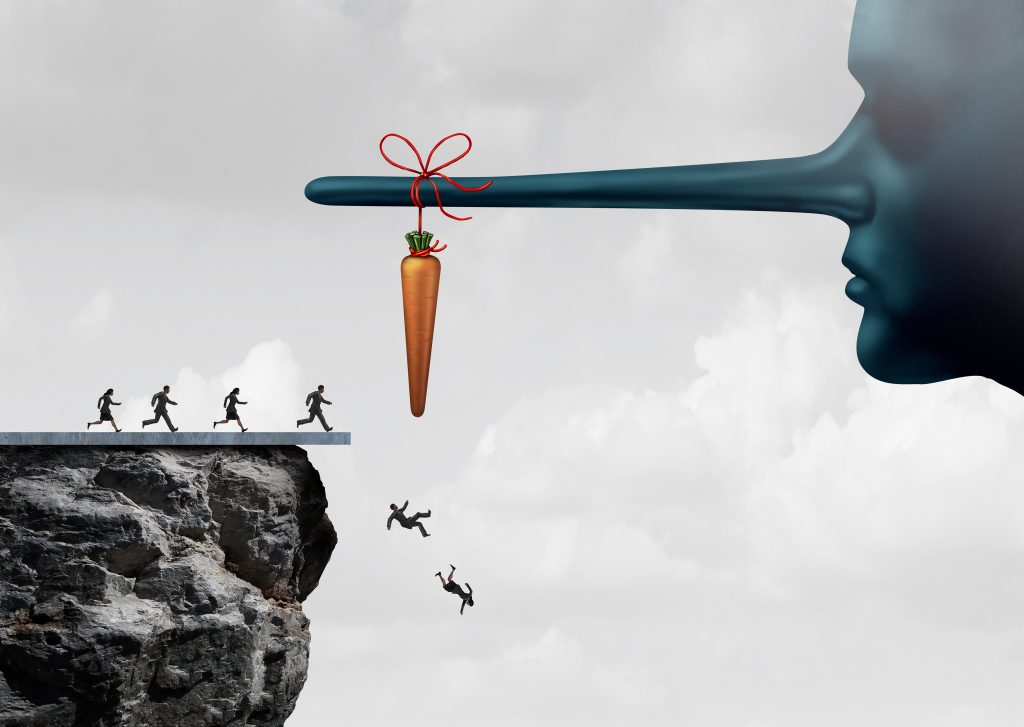
Header image: giant face with long Pinocchio nose with a carrot tied to the end of it, overlooking a cliff where lemming-like humans are dashing to tumble over the edge

A few months back, I began getting questions about emails like this one, from a UK-based magazine called Reader's House:

What author wouldn't be excited by an invitation to interview in a seemingly established and reputable literary magazine (even if they'd never heard of it before)? Those who responded received a followup like this one (the emphasis is mine):

For authors whose inboxes are stuffed with pay-to-play interview offers, this will seem like a welcome change. And indeed, the interview really is free...and it's a real interview, with questions personalized to the author and their book (which is why I've redacted them in the example above).

Moral Rights: What Writers Need to Know

Header image: row of letter dice on gray surface against a red background spelling out "rights" with the first die printed on one side with "legal" and on the other with "moral" and turned on edge so both words show (credit: LuFeTa / Shutterstock.com)

Today I'm writing for SFWA's online magazine, Planetside (formerly the SFWA blog) on a subject many writers--especially in the USA--aren't familiar with. Enshrined in most countries' copyright laws, moral rights provide important protections that many writers don't really think about...until they are asked to relinquish them.

In addition to various economic rights, such as the ability to license and profit from the use of their original work, the Berne Convention (the international source for copyright law) affirms creators’ moral rights.

Moral rights are intended to protect authorship, primarily by ensuring that a creator’s work is published or disseminated with their name—the right of attribution—and that the work can’t be altered or modified in ways that would be deleterious or prejudicial to the author or to the work itself—the right of integrity.

Why the Bankruptcy Clause in Your Publishing Contract May Not Protect You

Header image: BANKRUPTCY in Scrabble letters on a bright red background (Credit: CafeCredit / Flickr.com)

I'm blogging at Writer Unboxed again today.

Bankruptcy.

When you’re considering a publishing offer, the possibility that your publisher will go bankrupt probably isn’t top of mind. And indeed, publisher bankruptcies aren’t very common. Publishers frequently fail or close, but bankruptcy takes time and costs money, and makes a business accountable to its creditors. Especially where there have been shady dealings, troubled publishers often prefer to just disappear.

Bankruptcies of Unbound and Albert Whitman & Co Put Authors Between a Rock and a Hard Place

Header image: word cloud featuring the word "Bankruptcy" on a dark blue background (credit: JJava Designs / Shutterstock.com)

Established in 2011, UK-based crowdfunded publisher Unbound styled itself the Kickstarter for books and was widely heralded as the next big idea in publishing. Heady words like "disruption" and "paradigm" were tossed around, and the company's launch garnered substantial positive media coverage. (This blog post from Nail Your Novel provides an overview of how it all worked).

To all appearances, Unbound had a good run, publishing hundreds of books over more than a decade, gaining both critical and sales success. By some accounts, though, a lot of it was smoke and mirrors, and in 2024 cracks began to show, with authors reporting royalties delayed or unpaid and books unavailable for sale.

In December 2024, Unbound informed its authors that what they suspected was true: it didn't have the money to pay royalties. It claimed to be re-structuring, bringing on a new CEO, Archna Sharma, who promised to stabilize the company. But just three months later, Unbound went into administration--and almost at once was sold, with all its assets, in a pre-pack deal (a kind of bankruptcy deal where the sale of a company is negotiated with a buyer before an administrator is appointed) to a new company called Boundless Publishing, at a fire-sale price of £50,000.

Two to Avoid: Book Order Scams and Fake Reviews

Header image: Glowing neon letters "Just Say No: on bright red illuminated background (credit: Kevin Tichenor / Shutterstock.com)

Scammers are nothing if not inventive. As writers become wise to their techniques, they invent new ones.

Here are two newish frauds that appear to be on the rise. As with most writing scams these days, they target self-published authors.

I've written before about book order scams, in the context of scammers impersonating bookstores such as Barnes & Noble with out-of-the-blue emails promising bulk purchases and big royalties. All the author has to do is pony up thousands of dollars or pounds to cover printing and/or shipping costs (the relevant note here: bookstores do not print the books they sell, and they typically order from the publisher or publishing platform, rather than from the author).